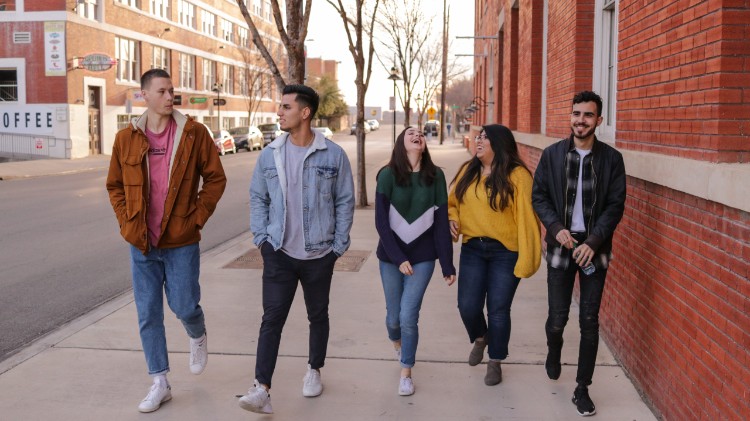
In a world where self-entitlement and individualism often overshadow community spirit, parenting with a focus on raising compassionate and responsible human beings is more important than ever. As a parent in a neighborhood with many older residents, I have taken a different approach to instill values of service, respect, and hard work in my children.
Why Chores Matter
Many people have told me that I am too hard on my children because I expect them to do chores and help out around the house. From setting the table for dinner to feeding the chickens to doing the laundry both children are required to help. There are no gender-specific chores in our house, everyone has to learn to be self-sufficient. I believe that chores are more than just tasks to be completed; they are opportunities to teach responsibility, accountability, and the value of contributing to the household. By involving my children in daily chores, I am preparing them to become adults who understand the importance of hard work and teamwork.
Serving the Community
Living in a neighborhood where the majority of residents are over the age of 65 has provided a unique opportunity for my children to learn about community service. I encourage my kids to help our neighbors by bringing in trashcans, shoveling snow, raking leaves, and mowing lawns—not just for our family, but for everyone on our block. I have taught them to offer their help without expecting anything in return, understanding that our neighbors are often on fixed incomes. This has not only fostered a sense of duty but has also created a supportive and caring community.
Unexpected Rewards
Despite teaching my children not to expect rewards for their service, our neighbors have often shown their appreciation through small tokens of gratitude—whether it’s money, snacks, or assistance with school projects. This reciprocity has shown my children the power of kindness and the positive impact of helping others. My children have learned extensively about our neighbors’ lives through interviews for school projects, learning more about local history than they ever do in school. Our neighbors have helped with building projects that my husband lacks the patience to support. We share recipes and excess (i.e., fruits, veggies, or bulk foods) when we experience abundance. These rewards are greater than any monetary gift because my children walk around saying they have multiple grandparents that aren’t theirs by blood, but by choice.
No Option to Opt-Out
In our household, the option to say “no” to helping someone in need does not exist. This approach may seem harsh to some, but it is a fundamental part of our core family values. I believe that too many children today are allowed to “opt-out” of being good people because it doesn’t feel right or convenient. By not giving my children this option, I am instilling in them the importance of empathy, generosity, and the willingness to lend a helping hand.
Challenges and Growth
I have lost a few friends along the way because they believe I push my kids too hard. However, I see the bigger picture: my children are growing into individuals who are willing to help those in need, without hesitation. They are growing up to be decent human beings who will do hopefully some good in this world. The only downside is that they sometimes lack patience for peers who do not hold themselves to the same standards.
This is a challenge we continue to navigate, but I am proud of the values my children uphold.
Let’s take a step back from the hustle and bustle of modern life and focus on the fundamental values that can shape a better tomorrow. Encourage your children to lend a helping hand, be it within your home or in your community. By fostering a spirit of generosity and responsibility, we can raise the next generation to be compassionate, thoughtful, and active members of society. Share your own experiences and inspire others to join this movement of back-to-basics parenting. Together, we can make a positive impact—one good deed at a time.
Kids love adventures. They love learning new things. But too often they can be easily disappointed by a failure that causes them to feel embarrassed or somehow silly, causing an unwillingness to try again. Or worse yet, that failure may cause them to never want to take on another adventure!
How do we really prepare our kids for adventures in life and do fun things? We think one of the biggest ways is to give them practical experiences, practical experiences including things like going to scouting events, having them take part in our day-to-day lives, and coping with the consequences when they don’t listen.
No, we’re not being harsh here. We’re saying that failing is part of learning. We all know that a baby falls many times before they walk, or a youngster skins their knees while learning to ride their bicycle. But, oh boy, once learned, they’re off and running – or biking – in no time at all. To be confident adults, we need to prepare our children with the tools and experiences to succeed. But we also must help them to see the consequences of choices and to take responsibility. They must experience failure in order to know how to overcome their disappointments.
Join our discussion as we discuss some examples. Then reach out to us and let us know what you think.
NOTE: If you enjoy our life hacks and simple common-sense approaches to sustainability and everyday life, please spread the word. Visit and like our youtube channel and our Facebook page. Sign up for our newsletter – the form’s on the HOME page. Share your thoughts with us on youtube or FB. And, please, share us with your friends. Here’s to your peace of mind because you’re prepared!
Between us, we have over 100-years of experience, and Sam’s only 40!
If you enjoy our life hacks and simple common-sense approaches to
sustainability and everyday life, please spread the word.
Our children turn 18 and the expectation is that they are now ADULTS! Does it happen on their birthday? Of course not, we have to prepare them for the new adventure and journey of entering the adult world. If we’re unhappy that our children seem unprepared, what can we do?
Join Sam and Ellie during Sunday Snacks as they tackle the idea that “18 is NOT a magical number.”
You can follow the transcript by CLICKING HERE while listening to the video.
Our schools don’t teach Home Ec or Woodshop as requirements anymore. And in many homes, mom and dad ‘just do it’ because it’s easier than fighting with the kids.
But that does nothing to prepare our kids to enter the adult world! What can we do to help them out? And no – it’s not better to do it for them!
5 core elements:
Budgeting
Laundry
Cooking
Keeping a tidy home
Maintaining a kempt appearance
In no way, is this list complete. But it is a beginning. Listen in on our discussion. Then let us know what you think.
NOTE: If you enjoy our life hacks and simple common-sense approaches to sustainability and everyday life, please spread the word. Visit and like our youtube channel and our Facebook page. Sign up for our newsletter – the form’s on the HOME page. Share your thoughts with us on youtube or FB. And, please, share us with your friends. Here’s to your peace of mind because you’re prepared!
Between us, we have over 100-years of experience, and Sam’s only 40!
If you enjoy our life hacks and simple common-sense approaches to
sustainability and everyday life, please spread the word.
While Sam is nursing a hand that she managed to scrape a few layers of skin off while trying to help pound a few stakes, I thought I’d share a bit of our philosophy behind “Beyond TP and Milk.”
This past weekend, I saw a news report about average folks becoming preppers. Well, not like we think of as survivalists and preppers, but realizing that they should consider how they might be more prepared after surviving Covid lockdowns, political unrest, and various trials of Mother Nature.
Here’s the news video link from CBSN aired on March 12, 2021:
Another one from CBSN aired on December 30, 2020, was the piece about buying chicks to have eggs for their family in the future:
Both of these videos show the average person beginning to re-think preparedness in relation to their families, ordinary people having experienced some pretty extraordinary circumstances during the past year.
When Sam and I talk about sustainability and being prepared,
… we aren’t necessarily talking about guns, a hidden hideout in the woods, or years of food storage. Most of us are unable, or choose not, to do that. But we have experienced empty grocery shelves and the change of lifestyle resulting from the lockdowns of the past year – job upheavals, financial situations in turmoil, homeschooling our children, delayed product deliveries, and more. Many folks had to run from fires, floods, or deal with snowstorms, and loss of utilities.
As a result of these experiences, many more of us are trying to learn new ways to be better prepared. No more rushing to the grocery store in the eleventh hour. No more fear of ‘what will I feed my family?’ No more waiting for the customary stores inventory-on-demand, waiting for ships and planes that are behind schedules, delivery delays by the post office, and other things out of our control.
Go-Bag
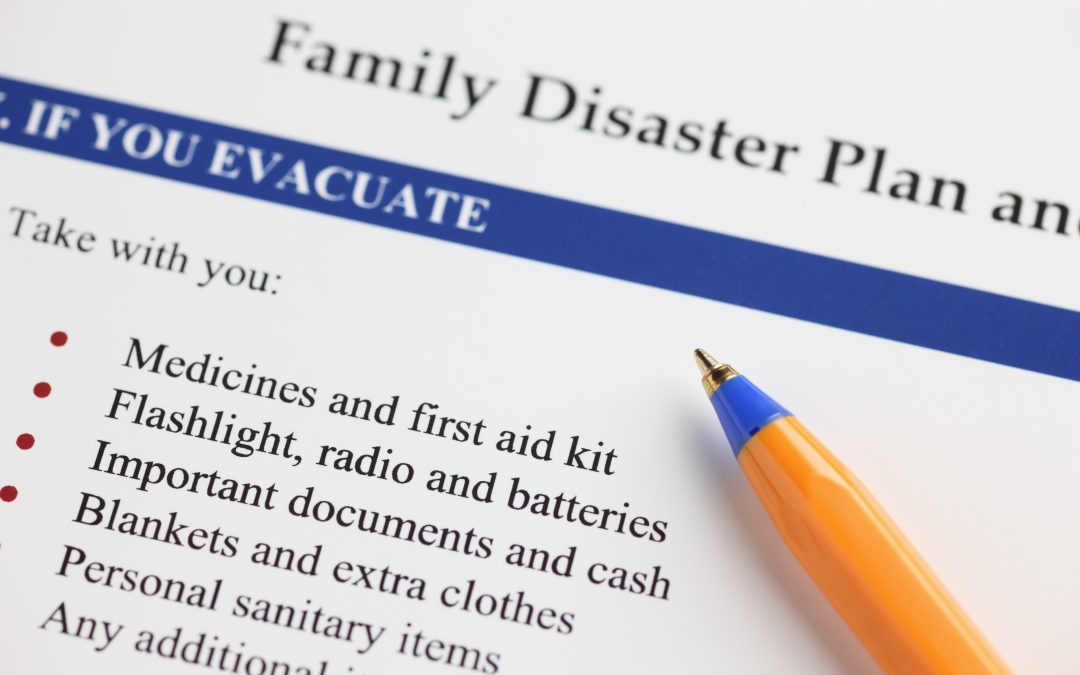
I often ask folks if they are prepared to grab a “go-bag” in case of impending emergency? What would they include if they didn’t know when, or if, they would return to their home? So the basics begin there. Here are a few items to consider:
important documents (laminated if possible or in a waterproof folder)
medicines for several days to several months plus possible prescription copies
basic first-aid items
personal sanitary items that may not be easy to find in a disaster
extra clothing – ideally offering you a few layers
food items and water
batteries, radio, flashlight
blankets
Of course, there are a host of other items you may consider, but that’s a good start. There are many online sites that will give you lists as well as your county emergency services, etc.
Home Garden
Sam’s focus has been to have you think about your family’s well-being, especially in food sustainability. A garden that gives you healthy, fresh foods and offers a variety that can be canned or frozen. A bounty that can give you a sense of security no matter what the grocery stores have available. But we both know that along with these items for our own families, a bit of abundance gives us items to barter. Remember, when times are tough, having something to ‘trade’ can make a tough situation a bit more comfortable.
As we hope for a loosening of all the ‘safety’ precautions in coming months (or years), it’s easy to think the rough times are behind us. If that is how you’re thinking, STOP! 2019 was an amazing lesson. It can happen again. It can happen anytime. We can throw our arms up and say, “Oh, I didn’t think it could happen to me.” Or… we can learn some lessons and figure out at least a few basics that will allow our families to feel a bit more secure.
Children
I highly recommend including everyone in the planning. Children can be quite creative and I think it adds to their own sense of security. They can have a backpack of items that will be important to them if they had to get out of the house fast, or if the electricity was out and they had to entertain themselves. It also can give children a sense of control by choosing what matters to them. You can even play a game and have them use their backpack of items for a day or a weekend to test their choices.
Preparedness is not fear. It’s the opposite. It’s being ready. So don’t forget the lessons you learned during the past year. Consider how you might make a similar situation safer and more comfortable by being prepared.
Between us, we have over 100-years of experience and Sam’s only 39! If you enjoy our life hacks and simple common sense approaches to sustainability and everyday life, please spread the word.