I don’t know about you, but I’ve been noticing that our food prices are starting to go up at the grocery store.
I am Sam Groffof Beyond TP and Milk. I’m ready to chat with you about some of the serious things about why Ellie and I created Beyond TP and MIlk. So our original venture was the idea that during the pandemic, a lot of people were confused about what was going on and started buying up all the TP and milk and panicking.
There’s a lot of other ways to be prepared. And you know, one of mine is in my fluffy butts (chickens). They’re so much fun. Yes, they are cute and cuddly and fun and amazing. And some people would view them as pets.
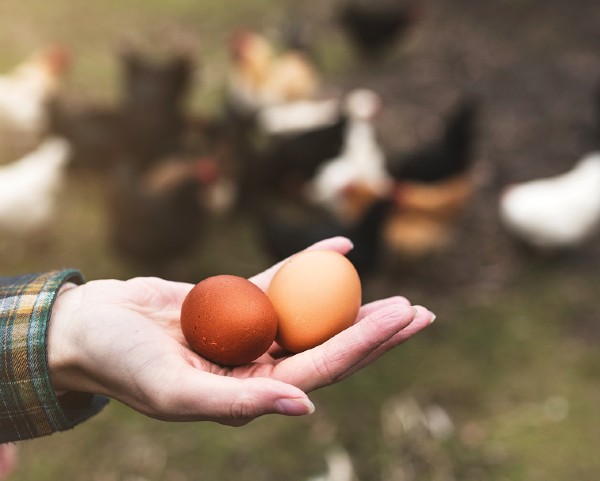
I view them as a resource. They are a sustainable food source for myself and my family. Each chicken for multiple years will give me eggs, and they’re amazing layers. I’ve got a bunch of different breeds that are here on our little property. And we have ones that are really, really good with our kids.
So they have a coop, which is the big green thing. And then they have a massive run. Now, again, chickens aren’t for everybody, not everybody has a whole lot of space, but for us, that was a sustainable easy way for us to be able to take care of things.
Now, am I the best chicken farmer? Probably not. There’s so much more I’m still learning. Like in the last year I pulled all of my old CDs that we weren’t using anymore and I put them out thinking that would be a fun playtoy for them. We always hear that chickens need to be entertained.
But an added bonus was by putting these up has actually helped us keep predators away. The flash in the nighttime and during the day from the sun distracts the predators and keeps them away.
So that’s the beauty of the simplicity of sustainability and utilizing the resources that you have on hand and finding out how to make the best out of them.
So with Beyond TP and Milk, and with chickens, one of the simple tasks that we’ve done is try to make our yard sustainable for our chickens. Now, mind you, when we moved here, this backyard was entirely full of trees. That means our whole backyard is super lumpy. We’re missing chunks of ground because of roots riding out from the bottom and under the ground. But that means that our ground is super duper fertile. We have a lot of extra nutrients and things available to us in our soil, but it doesn’t look the prettiest for most people.
So that’s why we’ve mulched around the chicken coop and around the shed. But that mulch, remember, it was free. I told you about that.
The second thing is it’s adding a layer of soil and nutrients as it decomposes into our backyard, into our landscape. Now, the neat part about what we did with this mulch is that it’s not just the mulch. We have straw in here.
In the wintertime, what we do is around the base of our chicken coop, we have it open so that the girls can get in and out underneath there. They have extra living quarters where like, you know, their chickens. We want them to have as much freedom and free reign as possible. But with that it’s also ventilated all summer. So it helps keep the coop cooler. But in the winter when it gets cold, we completely surround the base of our coop with straw bales.
Now that’s a two-fold exercise. What it does is it’s a windbreak, but in the springtime, what we use it for is to create a layer of soil for ourselves. So we put the straw underneath the wood chips and the girls then start mixing it all up because they’re chickens.They love to scratch. That scratching, that mixing brings us a new layer of nutrients to the soil. It gives the chickens entertainment. It adds to the healthy ecosystem and sustainability of our yard. And it gives us an easy babysitter for the chickens when they’re out and about in the yard, because we do like to let them free reign when we’re out here working.
So sustainability and worrying about the food chain is only going to get you so far until you actually start putting it in action. My husband and I started doing this and putting these things in action slowly, not everything’s going to happen overnight. That’s the biggest thing I can stress to you.Try one small thing at a time.We tried the straw bales underneath the chicken coop two years ago. It worked amazing.
We did it again this year.The year that we did it the first time, we put the straw directly into our garden beds and we made lasagna gardening. It was on your beds, whatever you want to call them. And that was effective. So now it’s every year, how do we sustain that sort of stuff to bring it about so that our land, our property is helping us continue to maintain our stuff. Well, everybody, have a good one.
Again, this is Sam Groff signing off for Beyond TP and Milk.Enjoy one small step in sustainability because I’m telling you right now, we are on the verge of seeing things that we haven’t seen in a long time in this country with pricing. We gotta be starting to really come full circle and take care of it in our own homes. All right.
Have a good one, everybody. Bye.
Between us, we have over 100-years of experience and Sam’s only 39! If you enjoy our life hacks and simple common sense approaches to sustainability and everyday life, please spread the word.
I’m sitting on the ground inside my berry patch. Um, so why am I down here? I’ll show you.
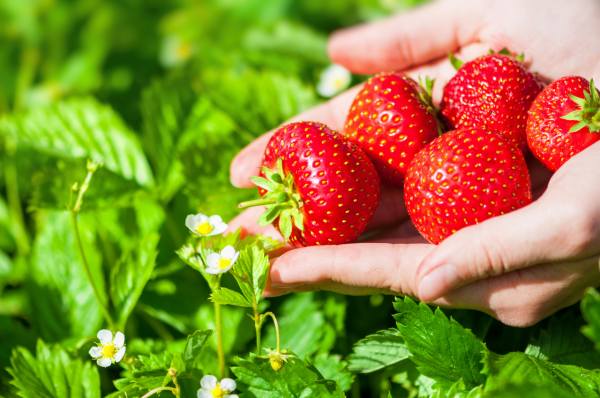
During the height of the pandemic. I bought 40 – and I repeat 40 -strawberry plants. They were bare root strawberry plants and let’s be realistic, only one of them survived! One.
Now I have two 12-foot long sections of my garden that are two feet wide full of strawberries from ONE plant that survived.
Am I the best strawberry gardener? No, evidently I couldn’t keep 40 plants alive, and they were bare roots, strawberry plants, but one survived.
And now I’ve got a plethora of strawberries, to the point that I actually shared them with other people. So what does that have to do with sustainability and Beyond TP and Milk?
Well, here it is. What I’ve done now with my strawberries is I thinned them out and I’ve now separated them into two full garden beds from ONE plant.
I let the ONE plant take over last year, send runners out everywhere. It looked like a hot disaster nodule in this spring when everything was still like, just waking up, and pretty cold. My husband and I spent an entire day breaking up this bed that was full of strawberries.
So the strawberries are an amazing source of just awesomeness for us and our family. Our kids love them. We love them. And you know, we’re not gonna probably jam as much or do any of those kinds of things with it, but we do eat them like crazy.
What makes this sustainable isn’t necessarily that I have lots and lots of strawberries and strawberry plants from one plant. What makes us sustainable is that I was able to then share this with other people. I had so many strawberry plants when we spread them apart that I was able to give them to two other families who now have deck boxes and put them in their garden at their house.
And that ONE plant will become even more prolific and in sustainability and looking at just the reality of how our environment and how the political scene is, and how everything is going on with our economy, we need to start really thinking about the people around us.
Now, mind you, I live in a community with a lot of people who are much older than me. So instead of trying to barter with them, what we have done is just built-in goodwill.We give away a good portion of our produce that we don’t eat?
We save, we store it. We do all the things that we need for our family for full sustainability for our household. But we also share our bounty and we share our wealth and our abundance and in doing so, we’ve gotten it back 10 fold in just the three years of living here.
So when you think about sustainability and you think about everything with the pandemic and things like that, and you hear the term ’prepper’ and homesteader, think of it not necessarily in those contexts. Think of it more as you’re building community, when you start really stepping outside of your box and you realize, okay, I want a sense of preparedness. I want a sense of being safe.
You can’t do everything for yourself. You can try, but you’re going to burnout.But if you build a community of people around you that you support and that support you tenfold, you’ve got a wealth of abundance that you never even knew you had.
And I can say that hands down from truthful experiences, just living here in my own neighborhood and sharing eggs with people.
And my husband was at work before the pandemic even happened. And our pipe burst. And I didn’t know where the shutoff valve was in our house, but I knew my neighbors did because they had been in our house before we had even owned it.
So I sent my kids to get my neighbor. He came over and helped me find the shut-off valve. He actually started helping us with the piping, not because he had to, but because he was kind and what we were able to do then was just get brand new pipe and fix it. And all was good in the world.
But all that came from saying hello
…and giving a smile and a dozen eggs that I had an abundance of that anyway, at the time.
So when you think about sustainability, don’t just think about what you can do. Think about what you can do to maximize yourself through your community. And you’ll be surprised at what you’ll get. It’s just like my strawberries. ONE little strawberry became this whole garden.
Enjoy yourself. Bye-bye.
Between us, we have over 100-years of experience and Sam’s only 39! If you enjoy our life hacks and simple common sense approaches to sustainability and everyday life, please spread the word.
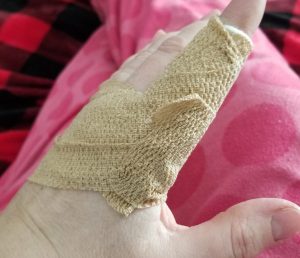
While Sam is nursing a hand that she managed to scrape a few layers of skin off while trying to help pound a few stakes, I thought I’d share a bit of our philosophy behind “Beyond TP and Milk.”
This past weekend, I saw a news report about average folks becoming preppers. Well, not like we think of as survivalists and preppers, but realizing that they should consider how they might be more prepared after surviving Covid lockdowns, political unrest, and various trials of Mother Nature.
Here’s the news video link from CBSN aired on March 12, 2021:
Another one from CBSN aired on December 30, 2020, was the piece about buying chicks to have eggs for their family in the future:
Both of these videos show the average person beginning to re-think preparedness in relation to their families, ordinary people having experienced some pretty extraordinary circumstances during the past year.
When Sam and I talk about sustainability and being prepared,
… we aren’t necessarily talking about guns, a hidden hideout in the woods, or years of food storage. Most of us are unable, or choose not, to do that. But we have experienced empty grocery shelves and the change of lifestyle resulting from the lockdowns of the past year – job upheavals, financial situations in turmoil, homeschooling our children, delayed product deliveries, and more. Many folks had to run from fires, floods, or deal with snowstorms, and loss of utilities.
As a result of these experiences, many more of us are trying to learn new ways to be better prepared. No more rushing to the grocery store in the eleventh hour. No more fear of ‘what will I feed my family?’ No more waiting for the customary stores inventory-on-demand, waiting for ships and planes that are behind schedules, delivery delays by the post office, and other things out of our control.
Go-Bag
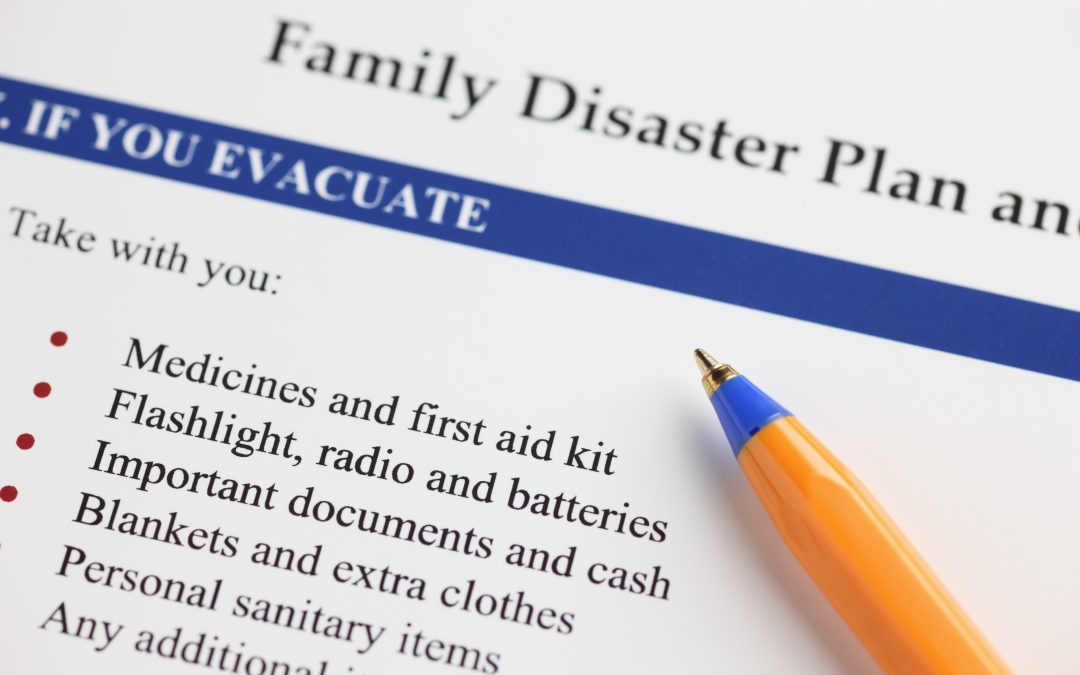
I often ask folks if they are prepared to grab a “go-bag” in case of impending emergency? What would they include if they didn’t know when, or if, they would return to their home? So the basics begin there. Here are a few items to consider:
important documents (laminated if possible or in a waterproof folder)
medicines for several days to several months plus possible prescription copies
basic first-aid items
personal sanitary items that may not be easy to find in a disaster
extra clothing – ideally offering you a few layers
food items and water
batteries, radio, flashlight
blankets
Of course, there are a host of other items you may consider, but that’s a good start. There are many online sites that will give you lists as well as your county emergency services, etc.
Home Garden
Sam’s focus has been to have you think about your family’s well-being, especially in food sustainability. A garden that gives you healthy, fresh foods and offers a variety that can be canned or frozen. A bounty that can give you a sense of security no matter what the grocery stores have available. But we both know that along with these items for our own families, a bit of abundance gives us items to barter. Remember, when times are tough, having something to ‘trade’ can make a tough situation a bit more comfortable.
As we hope for a loosening of all the ‘safety’ precautions in coming months (or years), it’s easy to think the rough times are behind us. If that is how you’re thinking, STOP! 2019 was an amazing lesson. It can happen again. It can happen anytime. We can throw our arms up and say, “Oh, I didn’t think it could happen to me.” Or… we can learn some lessons and figure out at least a few basics that will allow our families to feel a bit more secure.
Children
I highly recommend including everyone in the planning. Children can be quite creative and I think it adds to their own sense of security. They can have a backpack of items that will be important to them if they had to get out of the house fast, or if the electricity was out and they had to entertain themselves. It also can give children a sense of control by choosing what matters to them. You can even play a game and have them use their backpack of items for a day or a weekend to test their choices.
Preparedness is not fear. It’s the opposite. It’s being ready. So don’t forget the lessons you learned during the past year. Consider how you might make a similar situation safer and more comfortable by being prepared.
Between us, we have over 100-years of experience and Sam’s only 39! If you enjoy our life hacks and simple common sense approaches to sustainability and everyday life, please spread the word.
You’ll be surprised. Sam here with my tale of woe. It’s been over two weeks now. (Our repair guy should be here this weekend. YAY!) In the interim, I’ve learned a few things while not having a working dishwasher. To be honest, I’m not a big fan of washing dishes by hand. I love the dishwasher and it frees up a bit of time that I can be spending with family. For instance, we can load the dishwasher and have an hour of ‘game night’ with the family.
I’ve had a few thoughts while having to handwash the dishes. First, what do I have to be thankful/grateful for about it? I’m seeing a lot of posts about false positivity and you know, what – false positivity is really systemic and it’s an issue in our culture. I hate it because, well, am I going to sit back and be all happy and roses enjoyable when it’s a load of garbage? Nope, I am very close to “I hate washing dishes by hand.”
But what’s the value in all of this:
First and foremost, I’m grateful when I have a ‘working’ dishwasher!
We’ve discovered some unique family time while doing the chore of handwashing dishes.
Growing up, I had quite a few chores to do. It gave me an appreciation for what’s involved in keeping a house – a behind-the-scenes appreciation.
Doing simple chores gave me (and hopefully, my children) a lot of resilience and strengths and an appreciation for the work that goes into running a home.
So the dishes in my sink that are about to get washed when I’m done shooting this video have really given me a new appreciation. What are you appreciating now that you never thought about? Instead of false positivity – smiling like everything is A-OK – what are you actually taking for granted that you should be really grateful for? Feel free to share your thoughts on our FB page.
Ellie’s Thoughts
I’m one of those crazy people who love doing my dishes by hand. In most instances, I can have dishes done while someone else is still loading their dishwasher. But I tend to enjoy tasks where my hands are busy. I spend a lot of time on a computer. The manual tasks seem to allow my mind to enjoy some free-thinking, or maybe free-association is a better term. Ideas I have rolling around in my mind seem to re-organize. It feels very creative without any effort.
But on a more practical level, I worked two years on Fishers Island, NY for wealthy families as a housekeeper/cook. Even there, most of the time I could do dishes faster than loading the dishwasher. The times I really appreciated a dishwasher was for cocktail parties where we worked to keep up with glasses.
If I had a choice, I would trade a dishwasher for a warming drawer. I’ll continue that thought on another day.
Between us, we have over 100-years of experience and Sam’s only 39! If you enjoy our life hacks and simple common sense approaches to sustainability and everyday life, please spread the word.
The preppers and homesteaders who may be planning for the next 5 years (or the coming apocalypse) may need to do things differently. But for you and I just trying to use our common sense and learn from the past year, we can be prepared in simple ways.
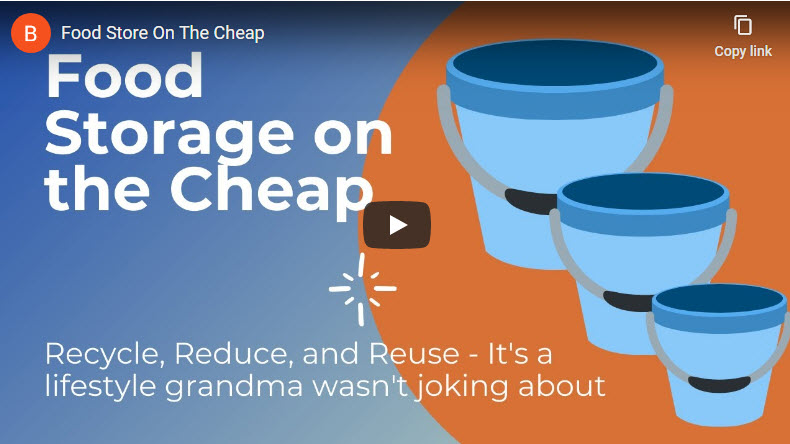
Recycle, reduce, and reuse is more than just a methodology taught to children back in the 90s. It is really a way of life. This is something that our grandparents’ generation lived by, so why do we see it as a novel concept? This is one way of storing food for the short term, relatively inexpensively, and you can find them at your local bakery. They will probably be happy to let you have their wonderful food grade buckets on the cheap because it gets them out of their way.
Note that the storage can be easily rotated
… so that you can just have a few months ahead. But by planning, you won’t be running to the store the day before the next storm! And if the distribution chain gets delayed, your family will still eat well.
 So sustainability and worrying about the food chain is only going to get you so far until you actually start putting it in action. My husband and I started doing this and putting these things in action slowly, not everything’s going to happen overnight. That’s the biggest thing I can stress to you. Try one small thing at a time. We tried the straw bales underneath the chicken coop two years ago. It worked amazing.